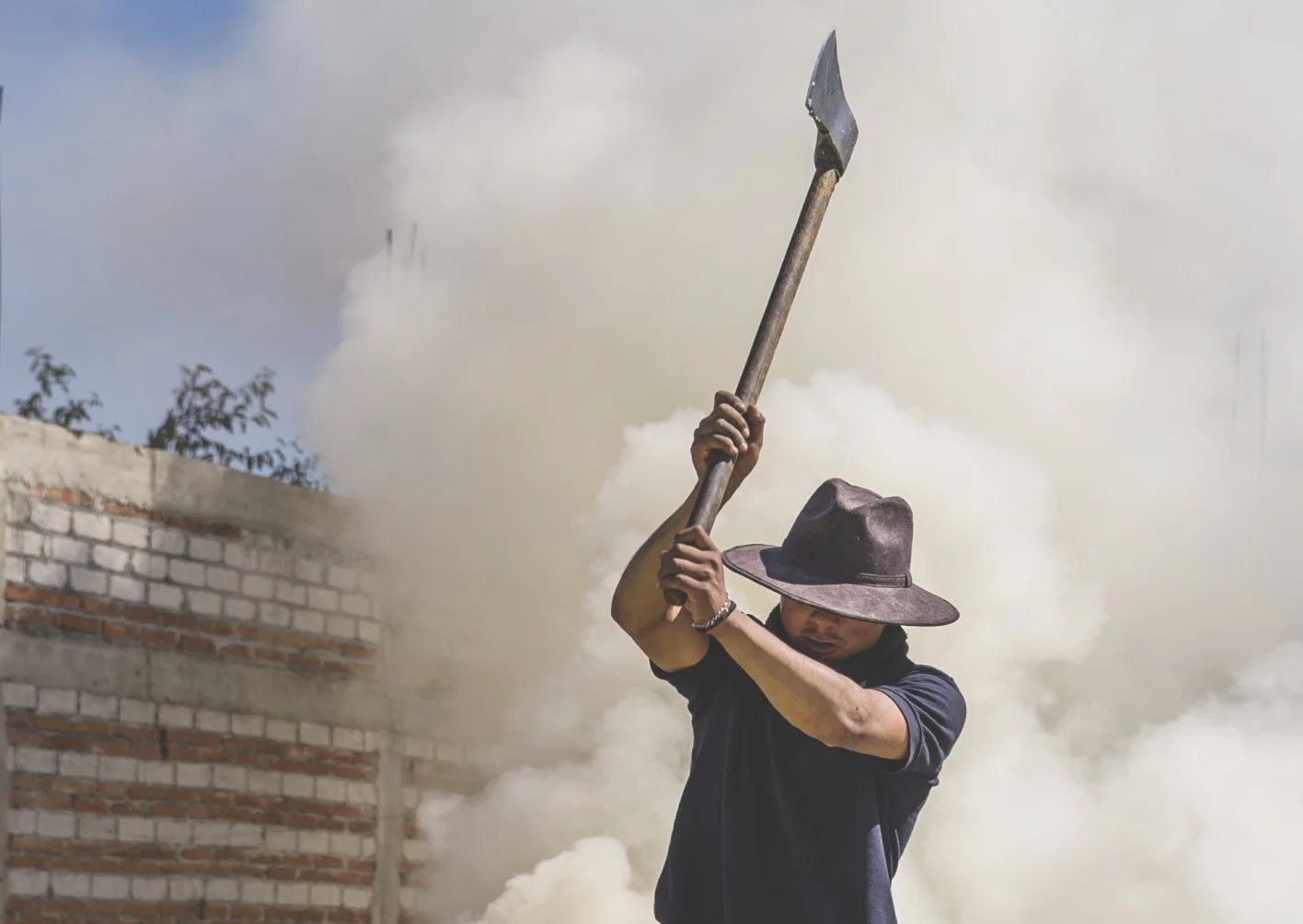
DISCOVER OUR PROCESS
How is Mezcal Made?
Mezcal is produced in 9 different states in Mexico, and at the core of Mezcal lies the Agave plant. The Agave is a succulent plant native to Mexico and is cultivated in various regions throughout the country. The different Agave plant varieties used in the production of Mezcal imparts unique flavors and characteristics, giving it a remarkable diversity.
Saturnino Martínez Méndez is a third-generation Maestro Mezcalero working in Santiago Matatlán, Oaxaca, widely recognized as the “world capital of mezcal.”
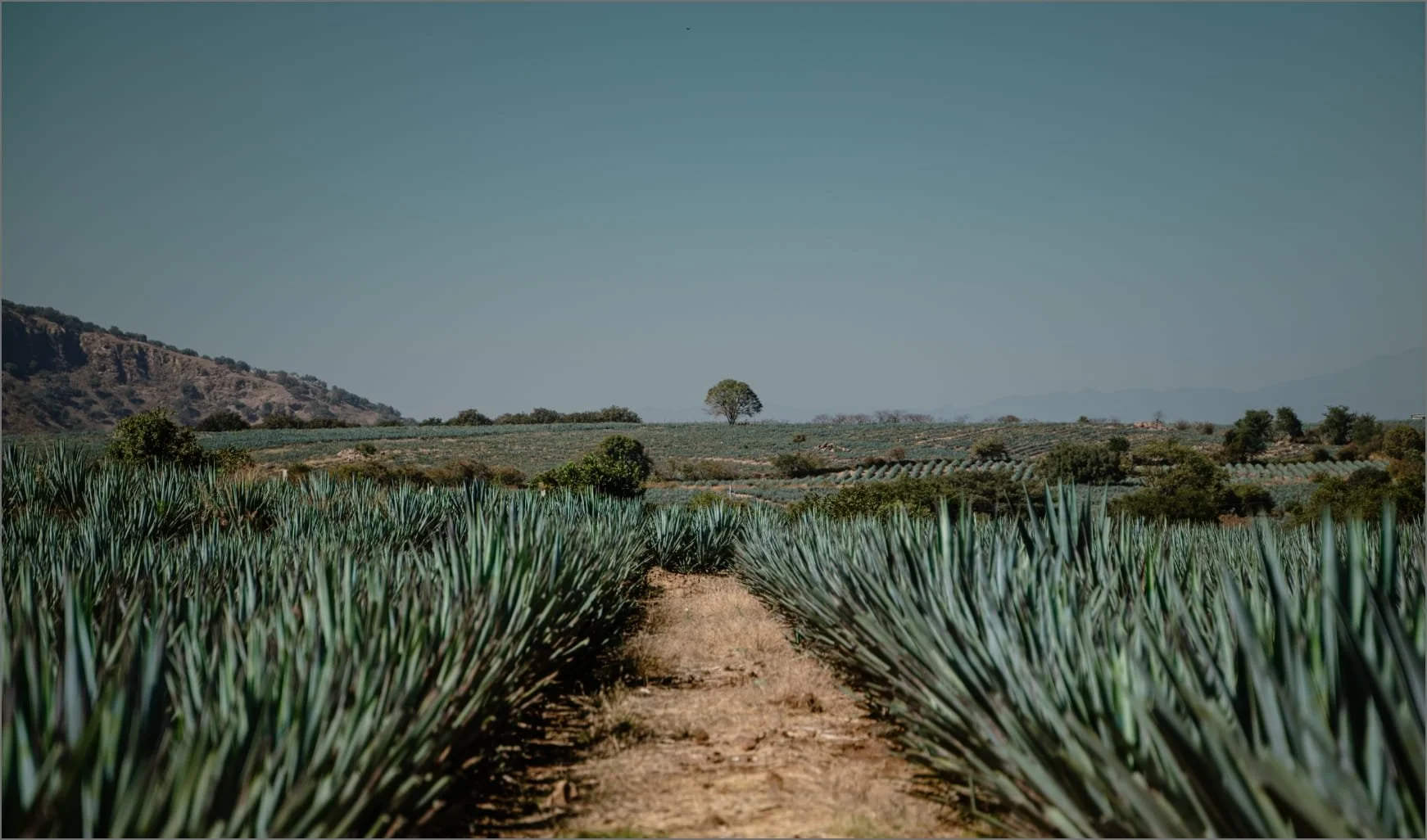
Saturnino’s work is not just about production—it’s cultural stewardship. His methods ensure that each bottle captures the spirit of wild-harvested agave, the land of Oaxaca, and the commitment to traditional mezcal craftsmanship.
This is where Mezcal comes from.
OUR PROCESS
HARVESTING
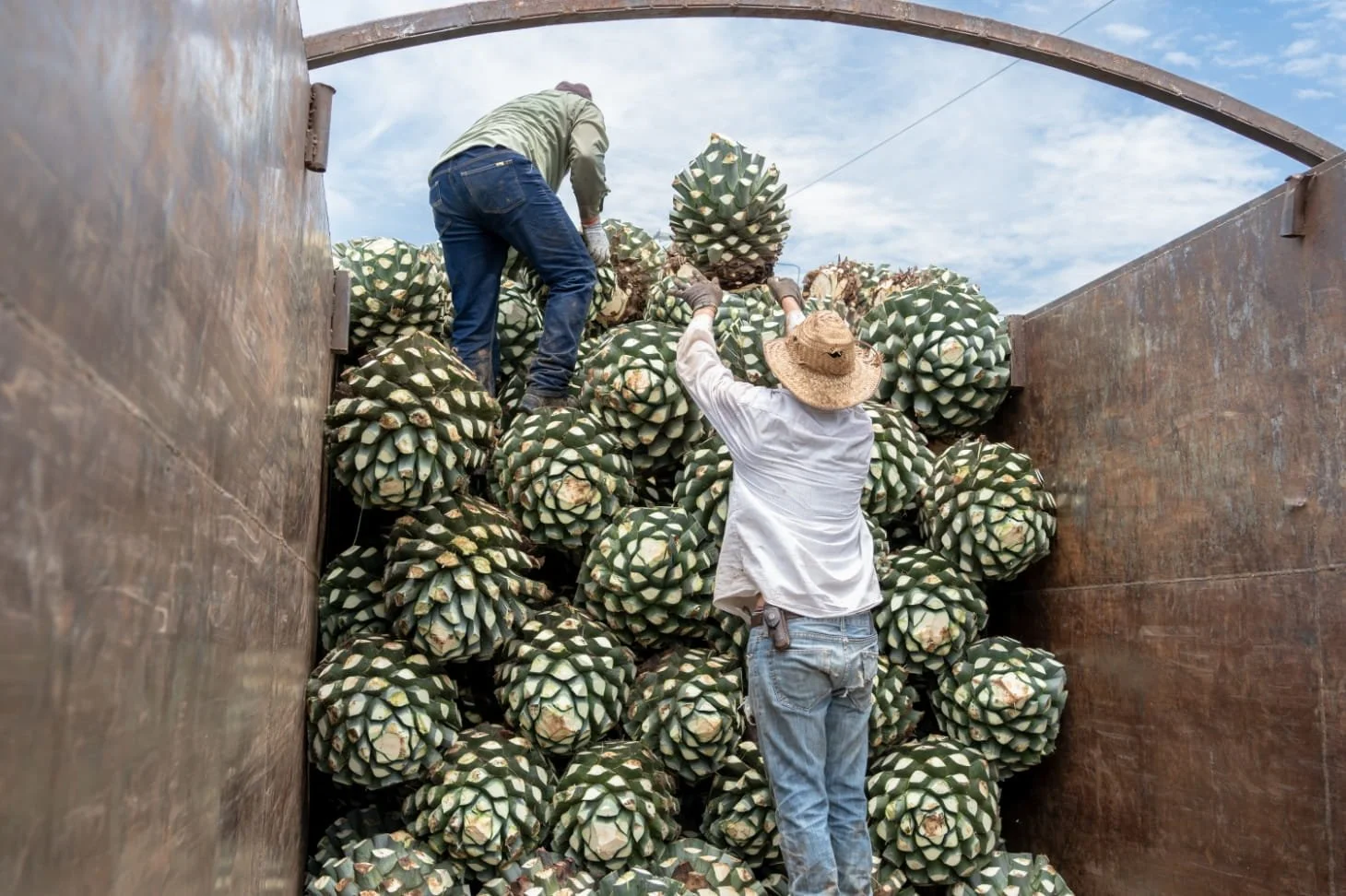
Once our agave plants reach maturity, their leaves are carefully removed, revealing the heart or piña of the plant. The piñas, which can weigh up to several hundred pounds, are the foundation of Mezcal production.
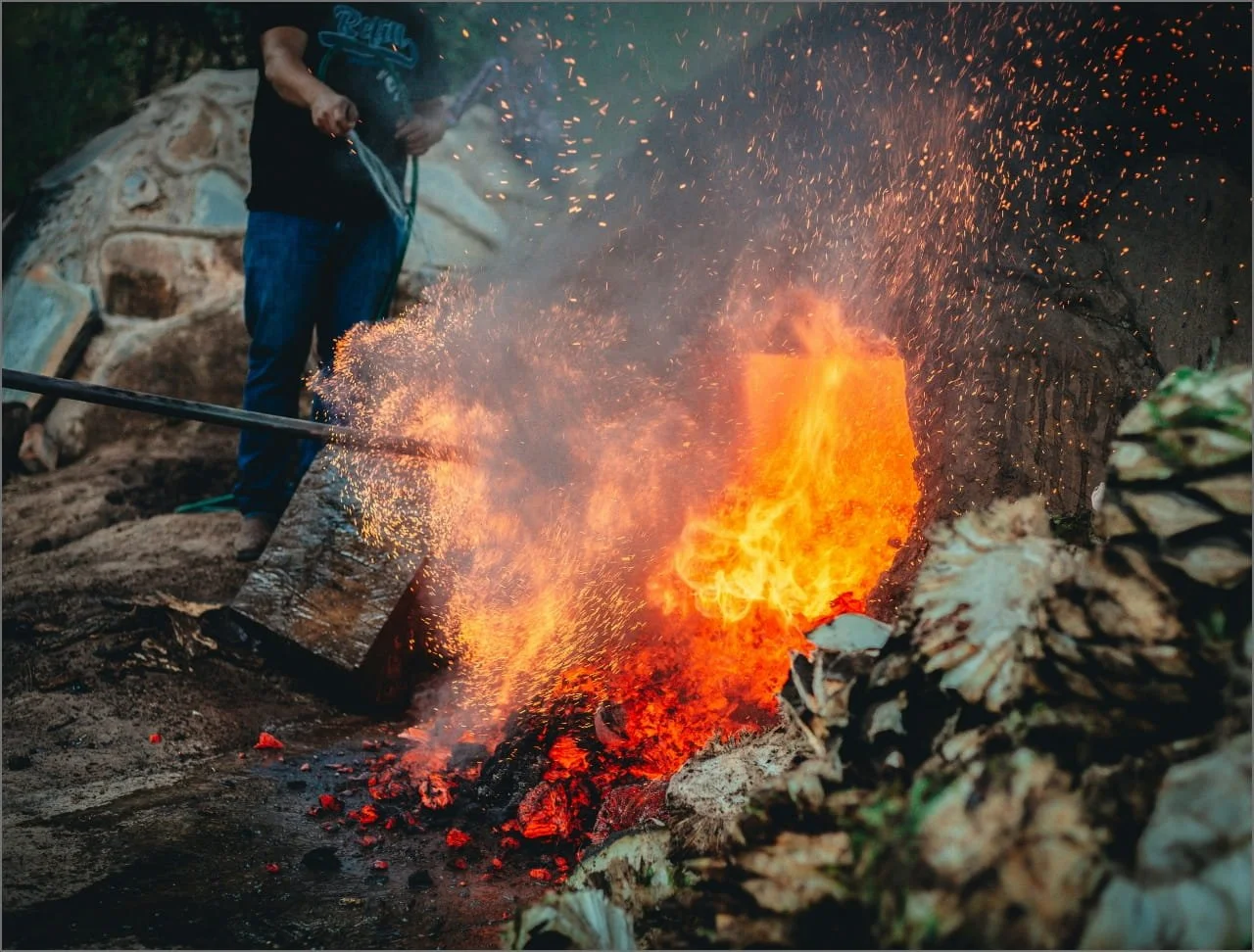
ROASTING
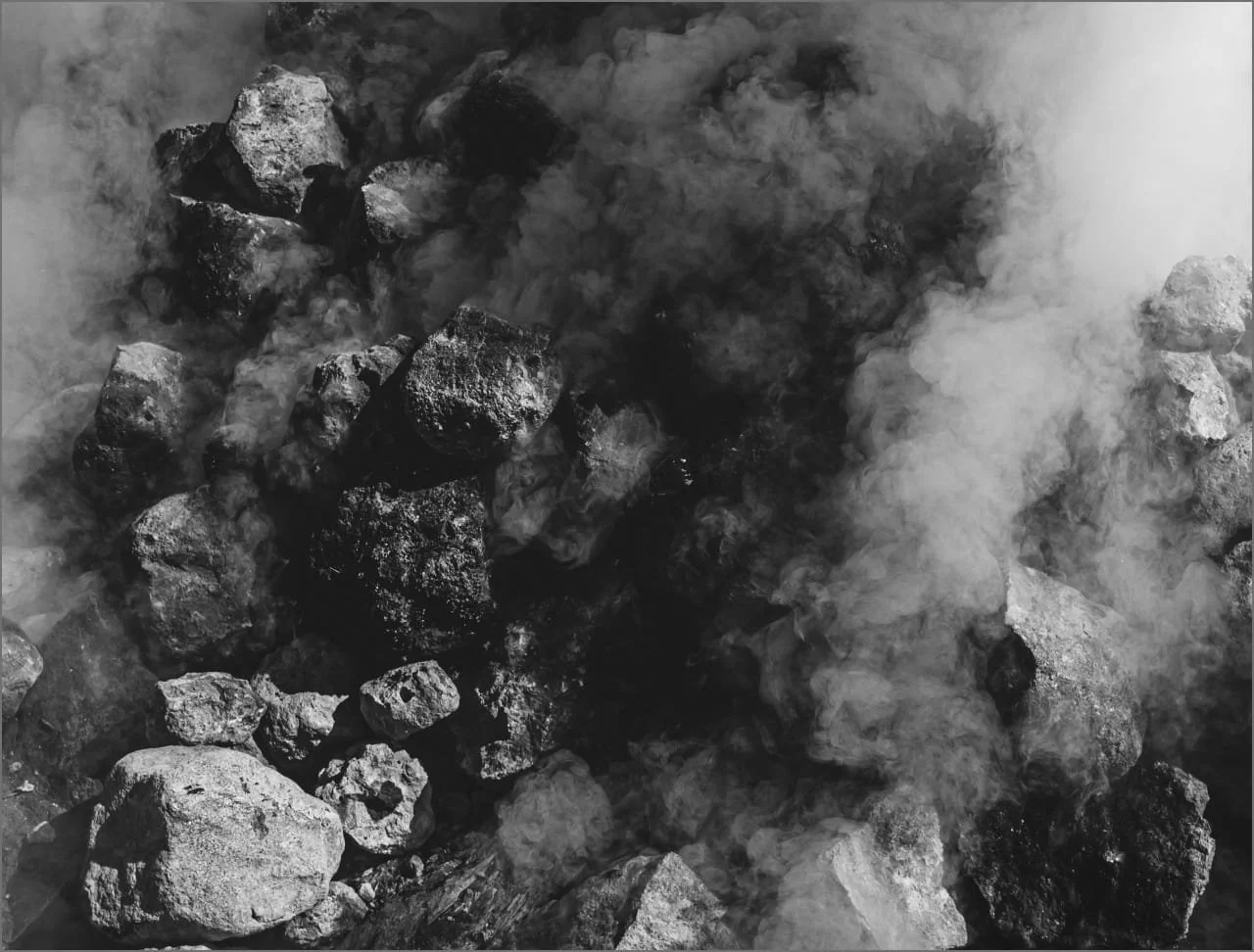
In our commitment to excellence, we take a unique approach to agave roasting. While conventional methods often span 7 days, we have mastered a 4 day roasting process: an optimized technique ensuring that the distinctive flavors of our agaves are expertly brought to life in every mezcal batch.
FERMENTATION
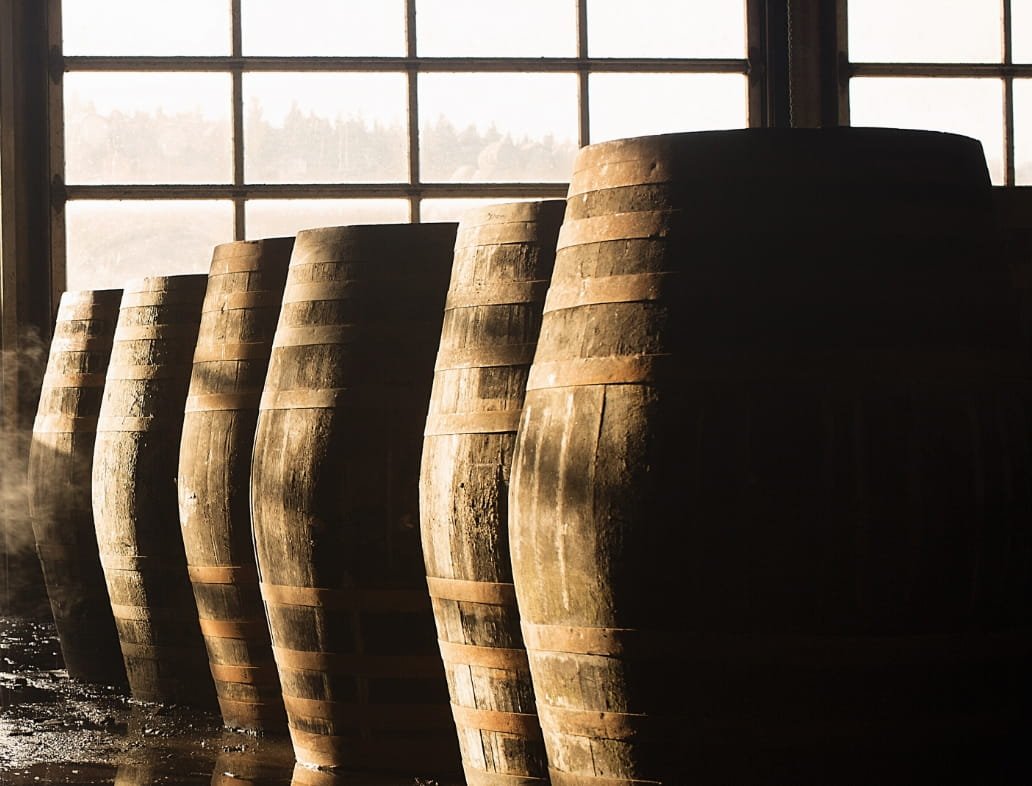
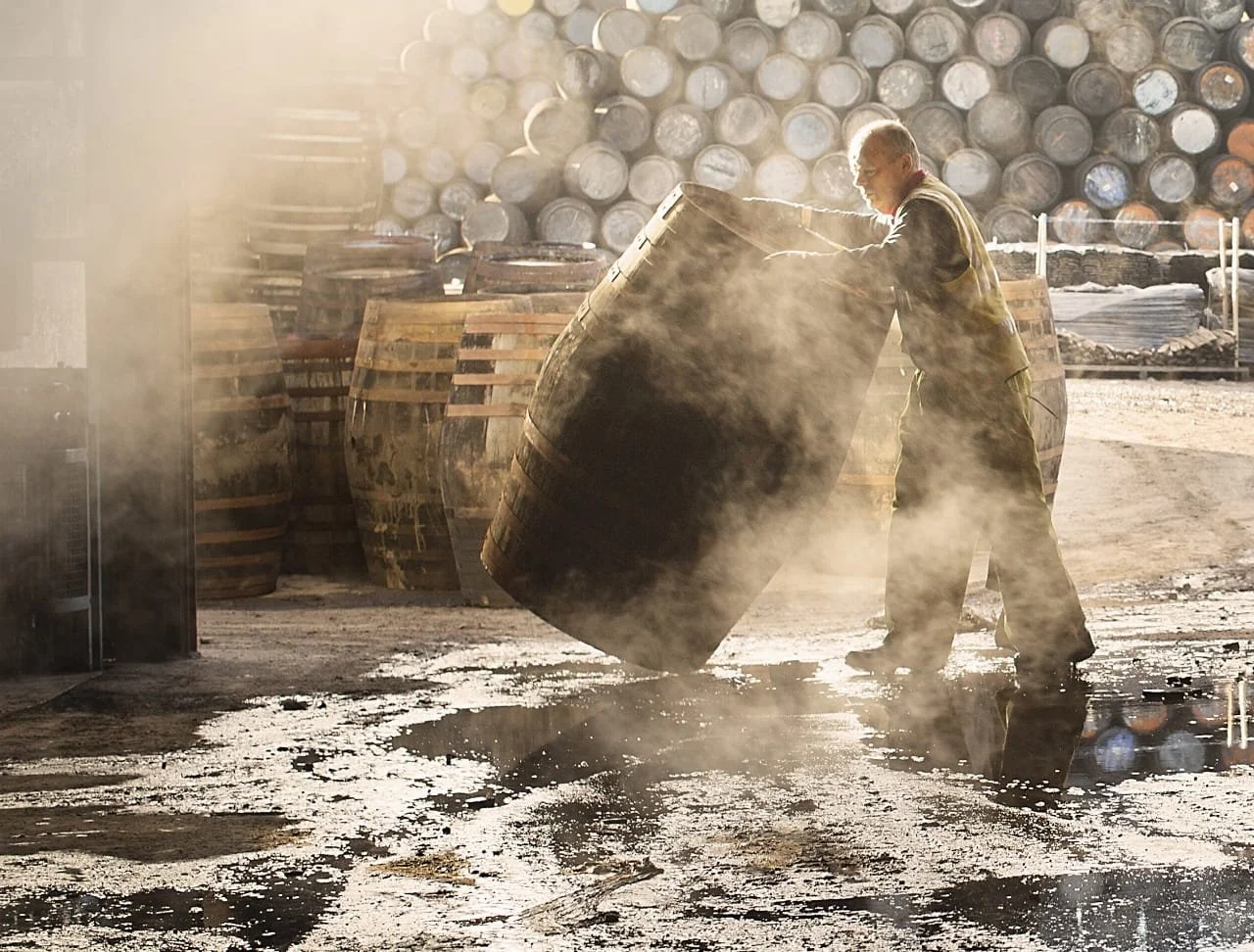
The extracted agave juice is placed in fermentation vats or pine barrels, which are left to ferment naturally using wild airborne yeasts. This fermentation process takes 6 days and is crucial in developing Mala Mía Mezcal’s complex flavors.
HARVESTING
Once our agave plants reach maturity, their leaves are carefully removed, revealing the heart or piña of the plant. The piñas, which can weigh up to several hundred pounds, are the foundation of Mezcal production.
GRINDING
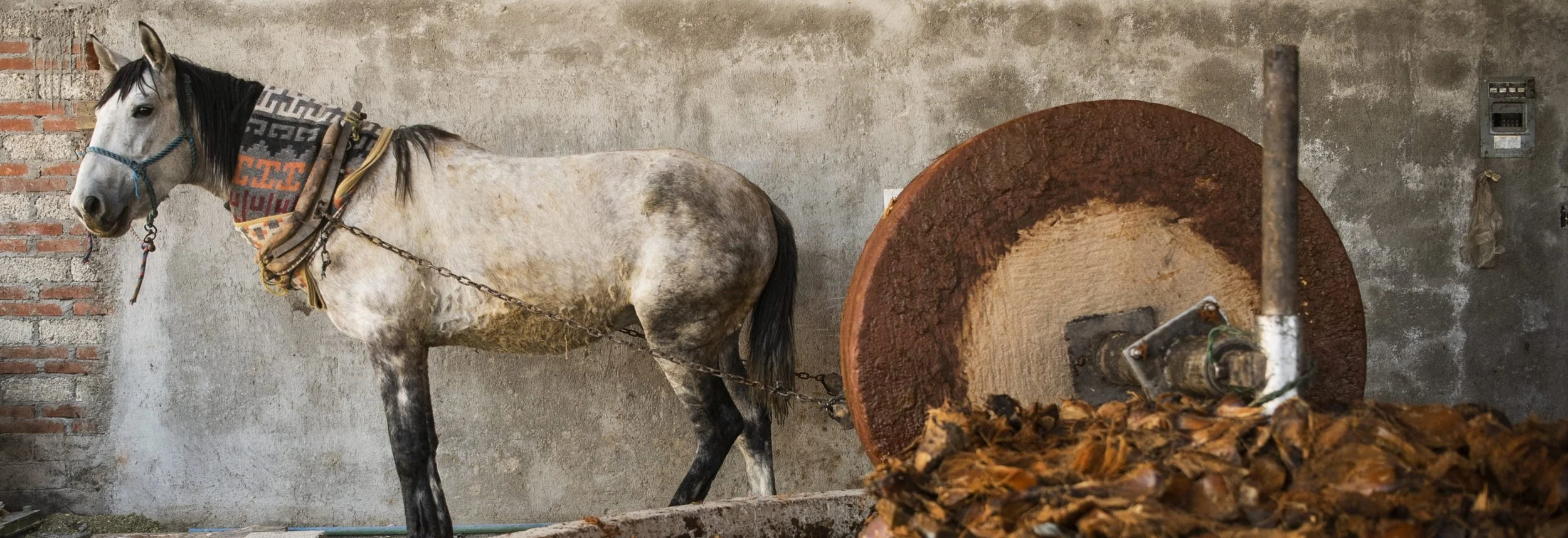
After roasting, the softened piñas are ground to extract the agave juice. Embracing the true spirit of artisanal craftsmanship, we employ a traditional approach to grind our agaves, using a massive horse-drawn stone wheel or tahona.

DISTILLATION
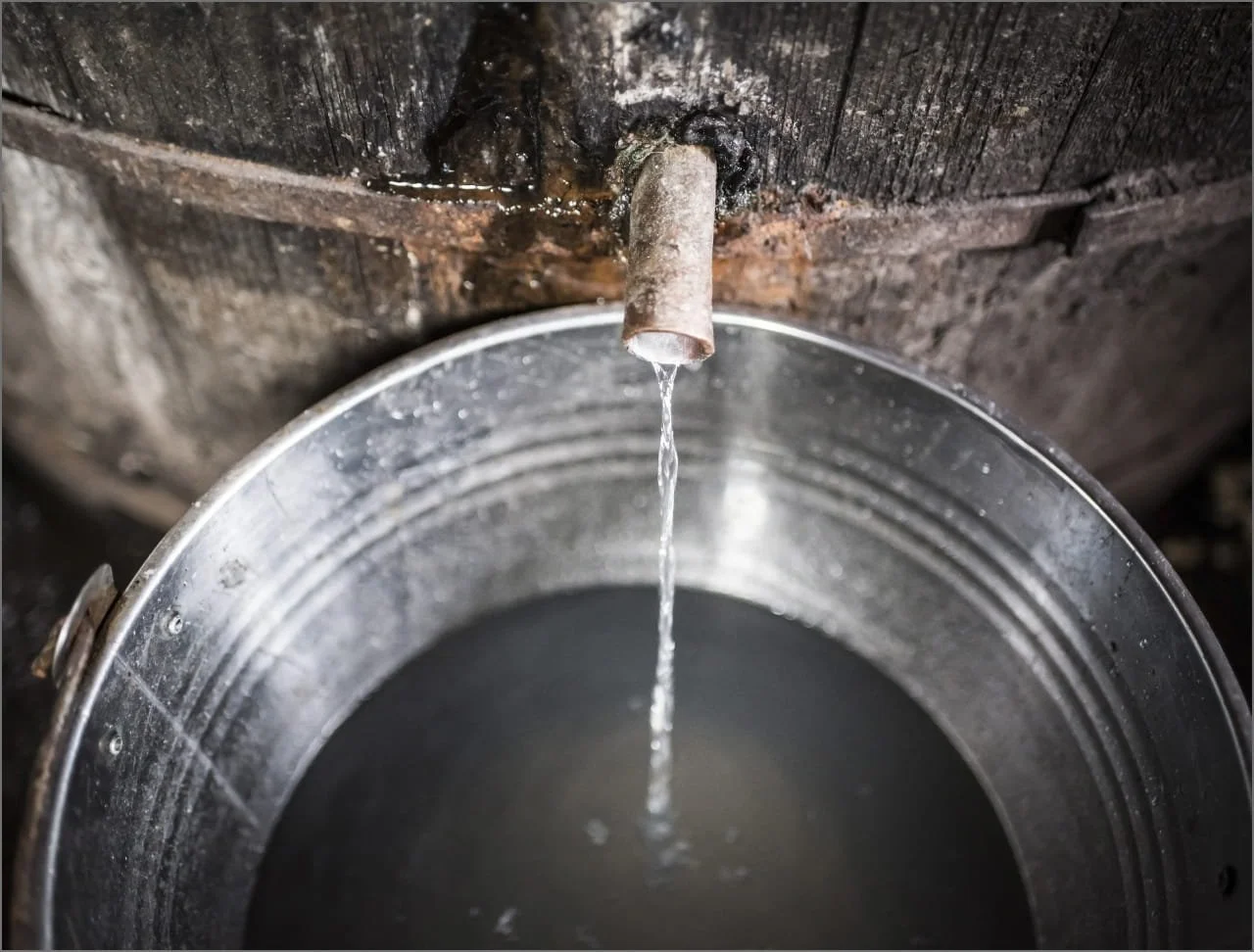
The fermented liquid, known as mosto, is distilled to separate alcohol from water and other impurities. This process involves a double distillation in copper stills. Over 36 hours, the liquid transforms, revealing the unique and captivating qualities that define our artisanal Mezcal.
BOTTLING & CERTIFICATION
To guarantee the authenticity and quality of our product, we submit it for certification to the esteemed Consejo Regulador Del Mezcal. This authority ensures adherence to the highest standards. This certification is a testament to the dedication and craftsmanship infused into every bottle of Mala Mía Mezcal.